
How to Avoid ROC Non-Compliance Penalties in India (2026–2027 Guide) – Complete Strategy for MCA Filings, Legal Protection & Compliance Systems
Facing risk of ROC penalties? Learn how companies can avoid MCA non-compliance through timely filings, documentation, and system-driven processes. Discover practical steps, risks, and expert strategies to stay compliant and penalty-free.
GST COUNSULTANT
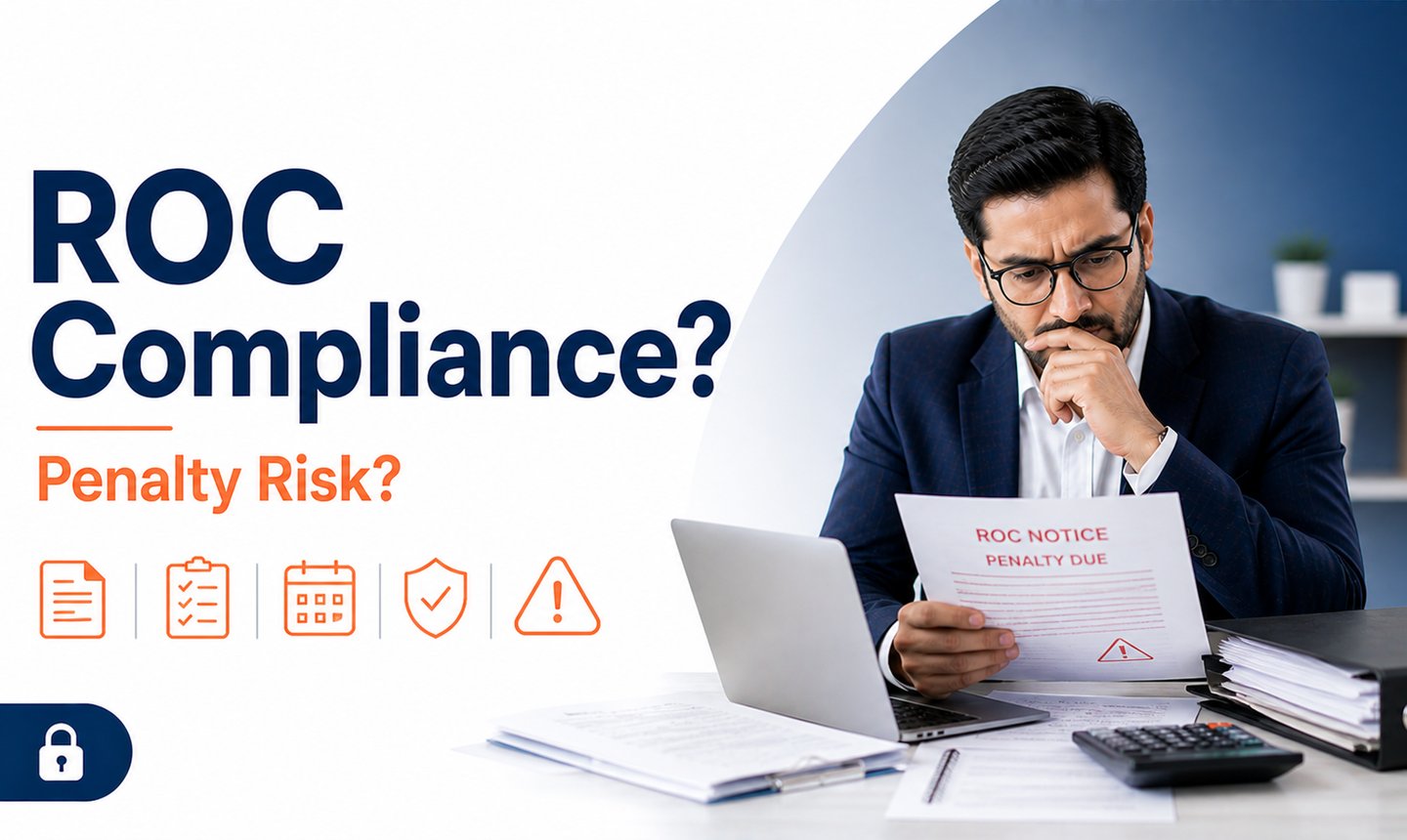
ROC non-compliance is one of the most underestimated risks in Indian businesses.
Most companies do not face penalties because of intentional violations, but due to missed deadlines, poor documentation, or lack of structured compliance systems.
In 2026, with increasing digital monitoring under the Ministry of Corporate Affairs (MCA), compliance is no longer optional. It is continuously tracked and automatically flagged.
What ROC non-compliance actually includes
ROC (Registrar of Companies) compliance covers:
Annual filings (AOC-4, MGT-7 / MGT-7A)
Board resolutions and statutory registers
Director KYC (DIR-3 KYC)
Event-based filings (change in directors, shareholding, address, etc.)
Even a small delay can lead to:
Heavy penalties
Director disqualification
Legal notices
Restrictions on business operations
How companies can avoid ROC penalties
1. Maintain a strict compliance calendar
Most penalties occur due to missed deadlines.
A company must track:
Annual filing due dates
Event-based filing timelines
Director KYC deadlines
A disciplined compliance calendar ensures nothing is missed.
A structured system like the one explained here
https://acumenca.in/services/ focuses on tracking and executing compliance on time.
2. Ensure accurate and updated financial records
ROC filings depend on financial data.
If books are:
Incomplete
Unreconciled
Incorrect
then filings will either be delayed or wrong.
Maintaining updated books ensures smooth and timely filing.
3. Keep statutory registers and documentation ready
Companies often ignore:
Register of members
Director records
Shareholding documentation
In case of inspection or filing, missing records create compliance gaps.
Proper documentation ensures legal protection.
4. Perform regular compliance reviews
Waiting until the filing deadline increases risk.
Instead, businesses should:
Conduct quarterly reviews
Verify records and filings
Identify gaps early
This reduces last-minute pressure and errors.
5. Handle event-based filings immediately
Many companies comply with annual filings but ignore event-based ones.
Examples include:
Director changes
Share transfers
Registered office changes
Delays in these filings directly trigger penalties.
6. Use system-driven and process-based compliance
Manual compliance leads to:
Missed deadlines
Inconsistent execution
Dependency on individuals
Process-driven systems ensure:
Timely reminders
Structured execution
Continuous monitoring
A compliance-focused approach like the one explained here
https://acumenca.in/ helps businesses maintain consistency and control.
7. Work with experienced professionals
ROC compliance requires:
Technical knowledge
Timely execution
Understanding of MCA requirements
Experienced professionals ensure:
Correct filings
Proper documentation
Reduced legal exposure
The real benefits of maintaining ROC compliance
1. Avoidance of heavy penalties and late fees
2. Protection from director disqualification
3. Strong legal standing of the company
4. Smooth audits and inspections
5. Better credibility with banks and investors
6. Ease in raising funding and scaling operations
The practical challenges businesses face
1. Lack of awareness about compliance requirements
Many small businesses are unaware of:
Filing deadlines
Required forms
Legal obligations
2. Poor financial and documentation systems
Without structured records:
Filings get delayed
Errors increase
Compliance becomes reactive
3. Over-reliance on last-minute filing
This leads to:
Mistakes
Missed deadlines
Higher penalties
What actually works in real business scenarios
Businesses that avoid ROC penalties follow three key principles:
Consistency in compliance execution
Accuracy in financial data
Systems for monitoring and tracking
They do not treat compliance as a yearly activity.
They treat it as an ongoing process.
You can see how structured compliance systems improved business outcomes here
https://acumenca.in/case-studies/
The approach that creates long-term compliance security
The methodology behind professional compliance systems, explained here
https://acumenca.in/about-us/
focuses on:
Process-driven execution
Continuous monitoring
Risk prevention
This ensures compliance is proactive, not reactive.
Final understanding
ROC penalties are not caused by complexity. They are caused by lack of structure and discipline.
In conclusion
Pros of proper ROC compliance:
No penalties or legal issues
Strong corporate credibility
Smooth operations and audits
Better investor confidence
Cons (if not managed properly):
Requires consistent effort
Needs proper systems and expertise
Initial setup and process alignment
A company that ignores compliance faces uncertainty and legal exposure.
A company that builds structured compliance systems operates with clarity, credibility, and long-term stability.
That is how businesses avoid ROC non-compliance penalties.